As a design professional, you know how important teamwork and partnerships are. By offering bundled design services from partnering businesses, you can provide more services. This makes your clients happier and more satisfied.
Design collaboration is a smart move that brings new ideas and better customer service. When companies team up, they share their skills and resources. This way, they can give clients the complete solutions they need.
Strategic partnerships can help your business grow. It also makes the design world more vibrant and supportive.
Key Takeaways
Complementary bundled design services can enhance client experience and drive business growth.
Strategic partnerships can lead to innovative solutions and increased customer satisfaction.
Collaboration is key to unlocking new business opportunities and expanding service offerings.
Design professionals can benefit from partnering with businesses that share their values and target audience.
Effective collaboration requires clear communication and a shared vision.
Many designers limit their growth by trying to solve every client problem on their own.
Strategic partnerships create opportunities for:
stronger service offerings
broader expertise
better client experiences
increased business opportunities
sustainable long-term growth
Download the FREE Design Business eBook and start building stronger systems and strategies for your creative business.
In today’s fast-paced design world, offering bundled design services from partnering businesses is key to success. Designers are recognizing the value in collaborating to provide clients with everything they need.
Why Clients Prefer One-Stop Design Solutions
Clients love one-stop design solutions because they save time and ensure everything is consistent. Designers who offer a range of services can provide comprehensive solutions. This means clients get everything they need from one place.
As a design expert said, “Clients want partners who can create a unified brand experience across all touchpoints.”
“The future of design is not just about creating beautiful products, but about crafting holistic experiences that engage and delight users.”
How Offering Bundled Design Services from Partnering Businesses Increases Your Market Reach
Bundling services can help designers reach a wider audience. It lets them enter new markets and attract more clients. By combining services, businesses can increase their visibility and attract a larger audience.
For example, a design firm partnering with a branding agency can offer a comprehensive brand development package. This makes them more appealing to clients seeking a comprehensive solution.
The way businesses meet client needs is changing. Complementary design services are now key. By offering bundled design services from partnering businesses, studios can give clients everything they need in one place. This makes clients happier and more loyal.
Defining Complementary Design Services
Complementary design services enhance a business’s core offerings. They can include branding, graphic design, web development, and interior design. These services help businesses stand out more.
Examples of Successful Design Service Combinations
Branding and web development
Graphic design and print production
Interior design and furniture sales
These combinations help businesses meet all their clients’ needs. They do it in a way that’s easy to understand and use.
Types of Design Partnerships That Thrive
Successful design partnerships match businesses with complementary strengths. For example, a graphic design firm might team up with a web developer. Together, they offer a full branding and online presence package.
Case Study: Successful Design Collaboration Stories
A great example is a partnership between an interior design firm and a furniture maker. They created a complete interior design service, including custom furniture. This partnership helped grow their business and make clients happier.
Finding the Perfect Design Partners for Your Business
As a design professional, finding the right business partners is key. They help you grow your services and boost your market presence. The right partners can also help you create service bundles that meet many client needs, leading to business growth.
Identifying Gaps in Your Current Service Offerings
Start by looking at your current services to find what’s missing. Think about what extra services could make your offerings better. These services should also attract your target market.
Evaluating Potential Partners’ Portfolio and Expertise
When evaluating design partners, thoroughly review their portfolio and expertise. Look for a history of quality work and skills that match your business needs.
Assessing Cultural and Business Value Alignment
It’s essential to determine if your values and culture align with those of your partners. A table can help compare these aspects:
Aspect
Your Business
Potential Partner
Core Values
Innovation, Quality
Innovation, Sustainability
Target Market
SMEs
Enterprises
Service Offerings
Branding, Web Design
UI/UX, Digital Marketing
By carefully examining these factors, you can establish strategic partnerships. These partnerships will not only expand your services but also strengthen your business.
Partnerships often become valuable growth opportunities when your business reaches the point where expansion requires more than individual effort. In Growing Your Design Business: Challenges and Solutions, we explore how designers scale strategically while maintaining sustainable growth and operational balance.
Structuring Your Design Partnership Agreement
Creating a detailed agreement is key when starting a design partnership. It makes sure everyone knows their role and what they’re working towards. This agreement is the foundation of your collaboration.
Essential Legal Considerations for Collaborative Work
A good design partnership agreement covers important legal points. It should outline the work’s scope, including who is responsible for what, and how to solve problems. Clear legal frameworks avoid confusion and protect everyone’s interests.
Creating Fair Revenue Sharing Models
How you share profits is vital in a design partnership. You need a model that rewards everyone fairly. Transparency in money matters builds trust and a strong partnership.
Percentage-Based vs. Flat Fee Arrangements
You have two main options for sharing profits: percentage-based or flat fees. Percentage-based models reward success, while flat fees offer steady income. Each has its benefits, and the right choice depends on your goals and needs.
Establishing Intellectual Property Rights
Intellectual property (IP) rights are essential in design partnerships. Your agreement should clearly state who owns what and how it can be used. Protecting IP ensures that creators receive credit and compensation for their work, thereby maintaining a strong partnership.
By focusing on these key areas, you can craft an agreement that supports a fruitful and lasting partnership.
Strong partnerships are rarely built through opportunity alone. They succeed because expectations, communication, and systems are established early.
Take 15 minutes this week to evaluate:
where gaps exist within your current service offerings
which complementary skills could strengthen your business
whether your partnerships align with your long-term goals
how collaboration could improve the client experience
The strongest business partnerships are built intentionally—not reactively.
Crafting Compelling Bundled Design Service Packages
To stand out in a competitive market, businesses must craft compelling bundled design service packages. This involves understanding client needs, structuring tiered service bundles, and implementing strategic pricing.
Conducting Market Research to Identify Client Needs
Effective bundled design services start with thorough market research. By understanding client needs and preferences, businesses can tailor their packages to meet specific demands. For instance, a survey by Design Trends Report found that 75% of clients prefer complete design solutions that include branding, web design, and marketing materials.
Structuring Tiered Service Bundles
Offering tiered service bundles allows businesses to cater to a wide range of clients. This approach enables clients to choose packages that best fit their needs and budget.
Entry-Level vs. Premium Bundle Options
Creating both entry-level and premium bundle options can help businesses attract a broader client base. For example:
Entry-level bundles may include basic design services, such as logo creation and business card design.
Premium bundles can offer comprehensive design solutions, encompassing branding, web design, and marketing campaigns.
Bundle Type
Services Included
Price Range
Entry-Level
Logo creation, business card design
$500-$1,000
Premium
Branding, web design, marketing campaigns
$5,000-$10,000
Strategic Pricing for Maximum Value Perception
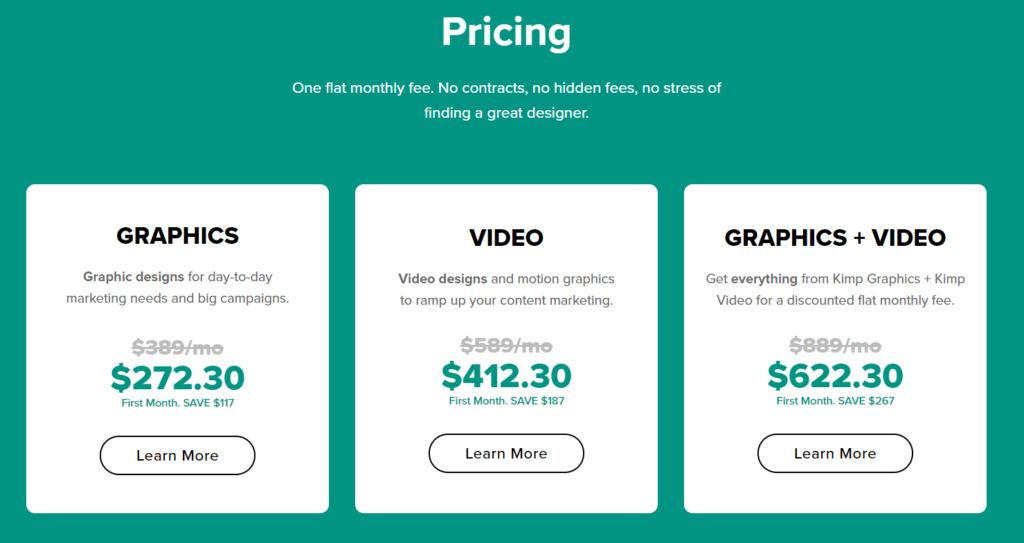
Pricing bundled services requires a strategic approach to ensure maximum value perception. Businesses should consider factors like the cost of individual services, client budget expectations, and the perceived value of the bundled package. As
“The key to successful pricing is understanding the client’s willingness to pay for the value you provide.” — a principle echoed by pricing experts.
By carefully crafting bundled design service packages, businesses can enhance their market appeal and attract more clients.
Marketing Your Collaborative Design Services Effectively
To stand out in a competitive market, you need a strong marketing plan. Effective marketing showcases what makes your partnerships unique. It also speaks to your target audience.
Developing Joint Brand Messaging
Having a single, cohesive brand message is key for effective collaborative design services. This means aligning your brand’s voice and ensuring all partners share the same message. This boosts your market presence and gains trust with clients.
Cross-Promotion Strategies for Design Partners
Cross-promotion is a great way for design partners to grow. It’s about using each other’s networks to reach more people. You can do this through co-hosted webinars, joint social media efforts, and making content together.
Digital Marketing Tactics for Design Bundles
Digital marketing has many ways to promote design bundles. Email marketing campaigns, targeted social media ads, and SEO-optimized content can help you get noticed. It’s important to adjust your digital marketing to fit what your audience likes.
Using Case Studies to Showcase Collaborative Success
Case studies are a great way to show off your collaborative design success. By sharing real-world examples of your work, you build credibility. Make sure your case studies are detailed, showing the challenges, solutions, and results of your projects.
Bundled services create stronger value when supported by a consistent marketing strategy. The Best Marketing Strategies to Grow Your Design Business explores how designers improve visibility, attract stronger leads, and build systems that support long-term growth.
Managing Client Projects Across Multiple Design Disciplines
Managing projects that span multiple design areas requires a well-planned approach. As a design expert, you must make sure everything runs smoothly. This way, you meet the client’s needs.
Setting Up Unified Project Management Systems
Having one project management system is key. You should pick a tool like Asana, Trello, or Basecamp. A study by the Project Management Institute shows that using such software boosts success by 28%.
Creating Seamless Client Communication Channels
Good communication with clients is essential. You need to keep them updated on the project’s progress. Use tools like Slack or Email for regular updates.
“The key to successful project management is clear and transparent communication.”
This way, clients always know what’s happening with their project.
With the right project management systems and clear communication, managing projects across different design areas becomes easier.
Scaling Your Design Partnership Network
As your design partnership network grows, it’s key to scale your operations wisely. This helps you stay up-to-date with collaboration benefits and remain ahead in the market.
Expanding Your Service Bundle Offerings
To grow well, expand your service bundle offerings to fit changing client needs. This means:
Doing market research to spot new trends
Creating new service packages that mix different design areas
Improving current bundles with extra services or upgrades
Service Bundle
Description
Target Audience
Basic Design Package
Logo design, business card design
Small businesses, startups
Premium Design Package
Full branding, website design, social media graphics
Established businesses, entrepreneurs
Integrating New Partners Into Your Ecosystem
When integrating new partners into your network, a smooth onboarding is vital. This includes:
Clearly sharing your business values and what you expect
Offering detailed training on your systems and ways of working
Setting up open lines for feedback and teamwork
Overcoming Common Challenges in Design Partnerships
The success of design partnerships depends on solving common problems. As companies work together to improve their services, it’s key to know how to handle these issues.
Resolving Creative Differences and Style Conflicts
Creative differences often come from different design views or brand styles. To address these issues, partners should agree on a consistent design language and schedule regular check-ins. A table showing differences and solutions can be very helpful.
Issue
Potential Resolution
Divergent design styles
Establish a unified brand guideline
Conflicting project goals
Regular partner meetings to realign objectives
Managing Timeline and Delivery Expectations
Good timeline management is vital in design partnerships. Partners need to agree on project milestones and deadlines. Using project management tools helps track progress and meet deadlines.
By addressing creative differences and managing timelines effectively, design partnerships can overcome common hurdles and achieve their goals.
Measuring and Optimizing Your Bundled Service Performance
To get the most out of your bundled design services, it’s essential to check in on their progress regularly. This helps spot what’s working well and what needs work. This way, you can make smart choices to boost your services.
Key Performance Indicators for Collaborative Design Services
Tracking key performance indicators (KPIs) is essential to measure the success of your bundled services. Look at client happiness, how many projects you finish, how much money you make, and referrals from your services. These metrics indicate how well your collaborations are performing and where you can improve.
Implementing Client Feedback for Continuous Improvement
Client feedback is a goldmine for improving your services. By asking for and using client opinions, you can make your services better, fix problems, and meet client needs better. Use surveys, feedback forms, or talk directly to clients. This shows you care about quality and builds stronger relationships with them.
By focusing on these key areas, your bundled design services will continue to improve. This will help your business and your design partners succeed more.
Partnerships and bundled services become difficult to manage without operational systems supporting communication and workflows. In Master Operations to Build a Thriving Design Business, we explore how designers build scalable systems that support stronger business performance and long-term growth.
Conclusion: Building a Sustainable Design Ecosystem Through Strategic Partnerships
The design industry is always changing. To succeed in the long run, building a sustainable design ecosystem is key. This means working with other businesses to create a strong network that helps everyone.
By teaming up with other companies, you can offer more services, reach more customers, and make clients happier. This leads to a design ecosystem where businesses can grow and succeed together.
To create this ecosystem, focus on building strong relationships with partners who share your values and goals. This way, you can form a powerful design partnership that boosts business growth and innovation.
Building a successful design business is not always about doing more on your own.
It is often about creating:
stronger partnerships
better collaboration systems
expanded expertise
improved client experiences
business structures designed for growth
The designers who scale successfully understand that collaboration can become a powerful driver of sustainable growth.
If you are ready to strengthen your business strategy and create more opportunities for growth, continue your learning journey inside The DesignLemonade ecosystem.
Complementary bundled design services are when businesses team up. They offer different design services together in one package. This makes the deal more valuable for clients and helps businesses reach more people.
Why do clients prefer one-stop design solutions?
Clients like one-stop design solutions because they’re easy and all-in-one. They save time and make things simpler. It’s a complete solution for their design needs.
How do I identify gaps in my current service offerings?
To find gaps in your services, look at what you already offer. Listen to what clients say and check market trends. This helps you identify areas where you can grow or improve by collaborating with others.
What are the key elements of a successful design partnership agreement?
A good partnership agreement includes important legal provisions, fair financial arrangements, and clear rights to intellectual property. It makes sure both sides benefit from working together.
How do I structure tiered service bundles?
To create tiered service bundles, first determine what clients need. Then group your services into levels based on their complexity and value. Price them right to make them seem like a great deal.
What are effective marketing strategies for collaborative design services?
Effective marketing for design partnerships involves collaborating on messaging and promotions. Utilize digital marketing that resonates with your target audience. This helps you reach more people.
How do I manage client projects across multiple design disciplines?
To manage projects across various design areas, utilize a single system for project management. Make sure clients can easily talk to you and know what to expect. Keep to your schedule.
What are the benefits of scaling a design partnership network?
Growing your design partnership network lets you offer a broader range of services and attract new partners. This expands your reach and helps your business grow. It also makes the design world better for everyone.
How do I measure and optimize the performance of bundled services?
To check how well your bundled services are doing, watch important numbers and listen to what clients say. Always look for ways to get better and make your clients happier.
What are common challenges in design partnerships, and how can they be overcome?
Design partnerships can face issues such as differing ideas, time management, and style clashes. But, talking openly, setting clear goals, and working together can solve these problems. It’s all about teamwork and mutual understanding.
Julio Cesar Falu is a graphic design educator, entrepreneur, and founder of TheDesignLemonade.com, a platform dedicated to helping creatives build profitable design businesses. With over 20 years of experience in design education, business strategy, and creative entrepreneurship, he shares practical insights on freelancing, branding, digital products, income growth, and long-term business development. His mission is to help designers move beyond creating and start building sustainable businesses and ownership-driven careers.










No Comments