If you’re looking to earn more or feel more secure, side hustles for designers are a smart move. They help you make more money and grow your career. This way, you can improve your finances and explore new areas in your field.
Starting multiple income streams may seem challenging, but it’s a great way to advance and achieve financial freedom. This article will show you various side hustles for designers and how to succeed. It aims to help you take control of your career.
Key Takeaways
Discover diverse side hustles tailored for designers
Learn strategies to create multiple income streams
Enhance your career growth and financial stability
Explore opportunities for professional development
Transform your creative talents into successful ventures
Why You Should Consider Side Hustles for Designers
In today’s fast-paced design world, having multiple income sources is key. Designers often face financial challenges from relying on just one job. A side hustle can offer the extra cash needed for economic stability.
The Financial Benefits of Multiple Income Streams
Having multiple income sources enhances your financial security. It serves as a shield against unexpected financial difficulties.
Protection Against Industry Downturns
Market fluctuations can be challenging to predict. Multiple income streams ensure you’re not left high and dry when one dries up. This strategy is vital for maintaining financial stability.
Building Long-Term Wealth and Security
Having various income sources can build wealth over time. It helps create a solid financial foundation, allowing you to focus on your design work without worrying about finances.
Professional Growth and Skill Expansion
Side hustles for designers offer more than just money. They also help you grow professionally. By trying different design areas, you become more skilled and versatile.
Exploring New Design Disciplines
Side hustles let you explore new design fields. This can uncover new passions and talents, enriching your career.
Building a More Diverse Portfolio
A varied portfolio is key to attracting clients and opportunities. Side projects help build a strong portfolio that shows your range and talent.
Benefits
Financial
Professional
Multiple Income Streams
Enhanced financial security
Professional growth and skill expansion
Protection Against Downturns
Reduced financial risk
Increased adaptability
Diverse Portfolio
Better career prospects
Showcases versatility
“The key to success is to focus on our strengths, not our weaknesses.” — Marcus Buckingham
Assessing Your Design Skills and Market Opportunities
Understanding your unique design strengths and the current market opportunities can help you create a thriving side hustle. You must assess your skills and research the market demand to achieve this.
Identifying Your Unique Design Strengths
Start by listing your design skills, including software proficiency and creative abilities. Identify areas where you excel and those that need improvement. This self-assessment will help you focus on your strengths when creating a side hustle.
Researching Profitable Niches for Designer Side Hustles
Researching profitable design niches involves understanding current trends and market gaps.
Trend Analysis and Market Gaps
Analyze current design trends and identify gaps in the market. This will help you find opportunities to offer unique services or products.
Competitor Research Strategies
Study your competitors to understand their strengths and weaknesses. This will help you differentiate your services and create a competitive edge.
Evaluating Time Commitment and Resources
Before starting a side hustle, evaluate the time and resources required. Create a table to help you organize your thoughts:
Activity
Time Commitment
Resources Needed
Designing templates
5 hours/week
Design software, computer
Marketing
3 hours/week
Social media accounts, marketing tools
You can create a successful side hustle that complements your main income by assessing your design skills, researching profitable niches, and evaluating your time commitment and resources.
Digital Product Creation for Passive Income
Digital product creation is an excellent way for designers to earn extra money. They can create design templates, UI kits, and stock graphics, earning money even when not working.
Design Templates and UI Kits
Design templates and UI kits are very popular. Designers can sell them on places like Creative Market or their websites.
Website Templates and Themes
Website templates and themes are key for web designers and developers. Creating these can be highly profitable because they’re always in demand. Places like WordPress and Shopify always want premium themes.
Presentation and Social Media Templates
Presentation and social media templates are also in demand as side hustles for designers. Designers can create PowerPoint and Google Slides templates and graphics for Instagram and Facebook.
Stock Graphics and Illustrations
Stock graphics and illustrations are another digital product that designers can use. They can sell these on stock image websites or use them to promote their services.
Vector Icon Sets and Illustrations
Vector icon sets and illustrations are very versatile. They’re great for branding and marketing materials.
Background Patterns and Textures
Background patterns and textures add depth to designs. They can be used in web design, print materials, and more.
Digital Fonts and Typography Assets
Digital fonts and typography assets are also wanted. Designers can create unique fonts and sell them on font marketplaces or their own websites. Typography is key in branding and design.
Digital Product
Description
Market Demand
Design Templates
Pre-made templates for design projects
High
UI Kits
User interface kits for web and app design
High
Stock Graphics
Graphics and illustrations for various uses
Medium
Digital Fonts
Unique fonts for design projects
Medium
Teaching and Knowledge Sharing Opportunities
As a designer, you can share your skills and knowledge. This can open up a new way to earn money. Teaching and sharing your expertise can be very rewarding. It helps you build your brand and assist others in their design journey.
Creating Online Design Courses
Online design courses are a great way to share your knowledge. You can make courses for all levels, from beginners to experts. Sell them on platforms or your site.
Platform Options
You can host your courses on Udemy, Skillshare, or your site. Each has its benefits and drawbacks. Pick the one that best suits your needs and audience.
Curriculum Development Tips
When creating your course, focus on engaging and informative content. Break down complex topics into easy parts. Include practical exercises that allow students to apply what they have learned.
Design Coaching and Mentorship
Design coaching or mentorship is another way to share your knowledge and earn. You can coach one-on-one, in groups, or through peer programs.
“Mentorship is a brain to pick, an ear to listen, and a push in the right direction.” — John C. Crosby
To start coaching or mentoring, find your niche and the clients you want to help. Create a program with clear goals, regular feedback, and a system for tracking progress.
Writing Design Tutorials and E-books
Writing design tutorials and e-books is a good way to share your knowledge. You can make guides, explain design principles, or share industry insights.
Format
Description
Potential Audience
Tutorials
Step-by-step guides on design techniques
Beginner to intermediate designers
E-books
In-depth guides on design principles and industry insights
Intermediate to advanced designers
When writing, aim for clarity, simplicity, and visual appeal. Use examples and illustrations to explain complex ideas.
Freelance Design Services Beyond Your Day Job
Offering freelance design services can boost your income and skills. As a designer, you can work on many projects and in different fields. This makes you an excellent choice for clients looking for unique designs.
Specialized Design Services for Niche Markets
Focus on specific markets to stand out. For example, you might work on branding for green products, UI/UX for health apps, or music graphics. This focus helps you earn more and build a strong reputation.
Benefits of Specializing in Niche Markets:
Higher demand for specialized skills
Less competition compared to general design services
Potential for premium pricing
Project-Based Work vs. Retainer Clients
You can work on projects or have retainer clients. Project work is for one-off tasks, while retainers offer ongoing services. Both options fit different business models and client needs.
Aspect
Project-Based Work
Retainer Clients
Income Predictability
Variable, project-dependent
Recurring, stable income
Client Relationship
Typically shorter-term
Ongoing, long-term relationship
Scope of Work
Defined by the project’s scope
Flexible, adapts to client’s needs
Setting Boundaries Between Main Job and Freelance Work
It’s important to keep your main job and freelance work separate. This helps avoid conflicts and keeps your work and personal life balanced. Use different contracts, workspaces, and communication methods for each.
Contract Clauses and Non-Compete Considerations
When making freelance contracts, watch out for clauses that might conflict with your primary job. Make sure you understand any non-compete agreements. This helps avoid legal problems.
Communication Strategies with Clients
Good communication is key for freelance success. Be clear about what you offer, when it’s due, and what clients can expect. Keeping clients updated and listening to their feedback builds trust and satisfaction.
How Designers Build Multiple Income Streams Through Side Hustles
Designers can boost their finances by starting multiple income streams through side hustles. This method not only ensures financial stability but also helps them grow professionally and learn new skills.
Diversification Strategies for Sustainable Income
Designers should diversify their income sources to earn a steady income. This involves freelance work, selling digital products, teaching, and undertaking other creative projects. Diversifying helps avoid the risks of relying on just one income source.
Balancing Effort vs. Return on Investment
It’s key to balance the effort put into side hustles with the return on investment. Designers should pick activities that offer high returns and work on them efficiently.
High-Effort, High-Return Activities
Activities like freelance design services or selling online courses need a lot of effort but pay off well. Focusing on these can be very profitable.
Low-Effort, Passive Income Opportunities
On the other hand, creating digital products such as design templates or stock graphics can generate passive income with minimal effort. These can provide a steady income over time.
Scaling Your Side Hustles Gradually
As designers become more comfortable with their side hustles, they can gradually grow them. This may involve adding more products, increasing marketing efforts, or exploring new markets. Growing slowly helps manage growth and keep a good work-life balance.
Physical Product Design Opportunities
The world of physical product design is full of chances for designers to make money. You can use your creativity to make real products that lots of people want.
Print-on-Demand and Merchandise Design
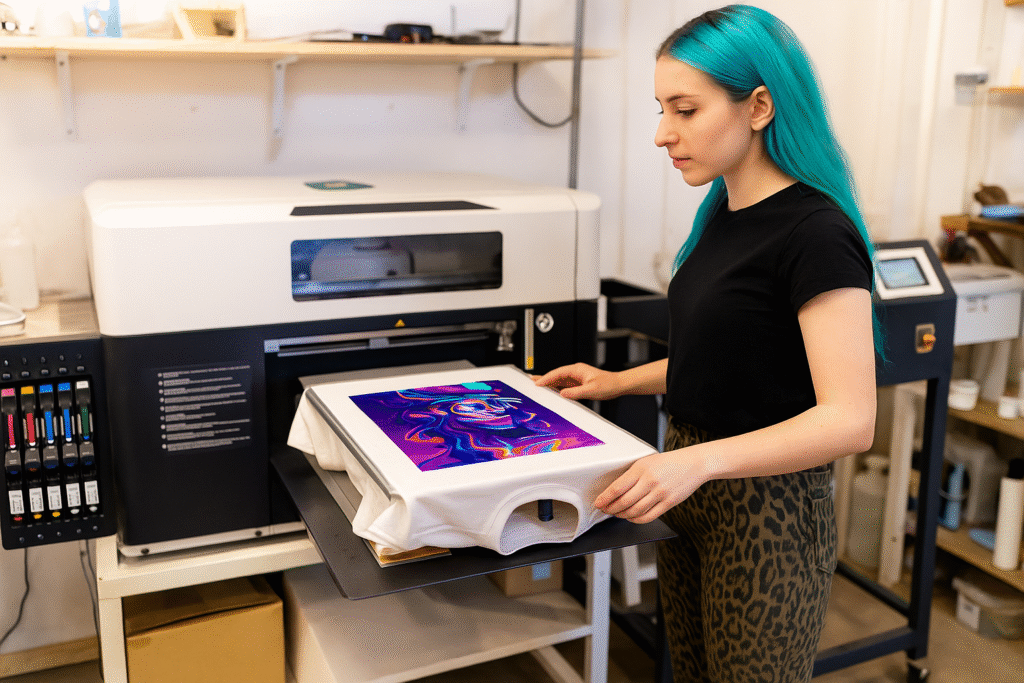
Print-on-demand services have changed how designers sell products. You can create items like T-shirts, mugs, and phone cases, and the service provider manufactures and ships them.
T-shirts, Mugs, and Accessories
Designing for items like t-shirts and mugs lets you connect with popular trends. You can create designs that resonate with specific groups or appeal to a broader audience.
Platforms like Printful, Printify, and Redbubble help with print-on-demand sales. Each has its good points and bad points, just like different products, varying quality, and different fees. Looking into these can help you pick the right one for your designs.
Art Prints and Limited Editions
Creating art prints and limited editions is another way to design physical products. It’s great for artists and illustrators who want to sell their work traditionally.
Packaging and Product Design Consulting
Many companies need help with packaging design to stand out. As a designer, you can offer advice to help businesses create packaging that boosts their brand.
Time Management and Productivity for Side Hustlers
Mastering time management and boosting productivity are key to succeeding as a side hustler. Good time management lets you handle many projects, meet deadlines, and maintain a balance between work and life.
Creating Efficient Workflows and Systems
Streamlining your workflow boosts productivity. Find and eliminate repetitive tasks, remove unnecessary steps, and use tools to automate routine tasks. This allows you to focus on tasks that grow your side hustle.
Identify and eliminate bottlenecks in your workflow.
Use project management tools to organize tasks and deadlines.
Implement a scheduling system to optimize your time.
Tools for Automating Repetitive Tasks
Automation is key for boosting productivity and saving time on tedious tasks. Use tools and software for tasks like email marketing, social media, and invoicing. This frees up time for creative and strategic work in your side hustle.
Setting Realistic Goals and Deadlines
Setting achievable goals and deadlines is vital for staying motivated. Break down big projects into smaller tasks and set realistic times for them. Regularly check and adjust your goals to keep them in line with your side hustle’s goals.
Weekly Planning Strategies
Good weekly planning means prioritizing tasks, setting time for focused work, and taking breaks to avoid burnout. Use a planner or digital calendar to stay organized and on track.
Avoiding Burnout and Maintaining Balance
Maintaining a healthy work-life balance is key for productivity and avoiding burnout. Set clear boundaries between work and personal time, and do things that help you relax and recharge.
By using these time management and productivity tips, you can work more efficiently, maintain a better balance, and help your side hustle succeed.
Building Your Side Hustle Brand and Marketing
To stand out in the design industry, creating a unique brand for your side hustle is key. A strong brand sets you apart from others and builds trust with clients.
Creating a Distinct Brand Identity
Your brand identity is about your values, look, and what makes you special. First, identify your niche and the audience you’re targeting. Then, craft a message that speaks directly to your audience.
Social Media Strategies for Design Side Hustles
Social media is a powerful tool for promoting your design side hustle. Select the right platforms and create content that effectively showcases your skills.
Platform Selection and Content Planning
Choose platforms where your audience is most active. For designers, Instagram and Pinterest are great options. Use a content calendar to keep your posts consistent and relevant.
Building an Engaged Community
Being active on social media is key. Reply to comments, ask for feedback, and join discussions. This builds a loyal following that could become clients.
Portfolio Optimization for Multiple Income Streams
A strong portfolio is essential for attracting clients. Keep it updated with your best work. Organize your projects by type or income stream to help clients find what they need.
Focusing on branding and marketing can boost your design side hustle. Using social media strategies helps you reach more people and engage with clients.
Conclusion: Creating a Sustainable Side Hustle Ecosystem
As a designer, building a side hustle ecosystem is vital for growth. Explore different designer side hustles to spread your income. This makes you less dependent on a single job and increases your overall earnings.
Mix your design talents with various market chances, digital products, teaching, and freelancing. This diverse approach keeps you ahead in the design world and stabilizes your income.
It’s time to build a better design career. Share your journey, wins, and challenges on our social media. Let’s support designers and celebrate creativity, business, and growth together.
Thanks for Reading — We’d Love Your Thoughts!
Did this article spark new ideas or inspire your next big move? Drop a comment below and share your thoughts or experiences—your voice helps fuel a stronger, more connected design entrepreneur community.
Want to take your learning further?
Stay plugged into The DesignLemonade for more in-depth guides, business strategies, and creative tools made for ambitious designers like you.
What are the most profitable side hustles for designers?
Designers have many profitable side hustles. They can create digital products, such as design templates and UI kits, offer freelance design services, teach, and write.
How do I identify my unique design strengths for a side hustle?
To find your unique design strengths, think about your skills and what you enjoy making. Ask for feedback from others to help you see your strengths.
What are some strategies for balancing multiple income streams as a designer?
To manage multiple income streams, diversify, and focus on in-demand areas. Manage your time well. Regularly check how your side hustles are doing and adjust as needed.
How can I create a distinct brand identity for my design side hustle?
To stand out, define your values and mission. Create a consistent visual brand with a logo and color scheme. Use this brand everywhere online and in your marketing.
What are some effective time management strategies for designers with side hustles?
Effective time management involves creating efficient workflows and automating repetitive tasks. Set realistic goals and balance your work, side hustle, and personal life with a schedule.
How can I scale my design side hustle gradually?
To grow your side hustle, start by focusing on a niche. Build a solid base and then expand your services. Explore new markets and make your operations more efficient to boost revenue.
What are some opportunities for designers to create physical products?
Designers can create physical products, such as art prints and merchandise. They can also offer packaging and product design consulting. These options let designers turn their ideas into real products.
How can I effectively market my design side hustle?
To market your side hustle, use social media and optimize your portfolio. Engage with your audience. Try email marketing, collaborations, and other tactics to promote your work.
Prof. Julio C. Falú, MFA
Founder of TheDesignLemonade.com
Prof. Falú, is an accomplished designer, educator, and advocate for creative entrepreneurship. With over 15 years of experience in the graphics industry, he combines his expertise as a professor, award-winning designer, and mentor to empower the next generation of creative professionals.
As the Founder of TheDesignLemonade.com, Julio provides aspiring design entrepreneurs with the tools and knowledge needed to turn their passion into thriving businesses. His book, Design, Passion, and Profits — Design Entrepreneur Guidebook, offers a comprehensive roadmap for bridging artistry and business strategy.
Currently a tenured professor and Program Chair at Valencia College, Julio teaches courses in graphics and interactive design while mentoring students and guiding curriculum development. He also volunteers as a Business Mentor for SCORE, where he advises entrepreneurs on branding, marketing, and growth strategies.
Julio holds a Bachelor of Fine Arts in Graphic Arts from the University of Puerto Rico-Carolina and a Master of Fine Arts in Graphic Design from the University of Wisconsin-Madison. His work has earned national recognition, including multiple GD USA American Design Awards, and reflects his dedication to blending creativity with strategic impact.
Through education, mentorship, and innovation, Julio continues to inspire and guide creatives toward achieving their entrepreneurial dreams. Visit TheDesignLemonade.com to learn more.










No Comments