Did you know that 64% of design freelancers struggle to find consistent clients? This is often because they lack a clear business plan. As a design freelancer, having a solid business plan is key to making your creative talents successful.
You need a roadmap to help you define your brand, set financial goals, and more. This article will guide you through creating a detailed business plan template for design freelancers.
Key Takeaways
Understand the essential components of a business plan for design freelancers.
Discover how to establish your brand identity and articulate your unique value proposition.
Discover strategies for setting realistic financial projections.
Gain insights into marketing and sales strategies tailored for design freelancers.
Explore how to create a business plan that adapts to your evolving business needs.
Why Design Freelancers Need a Solid Business Plan
Freelance design is a competitive field. To stand out, you need more than just creativity. You need a solid business plan. As a design freelancer, your skills are in high demand. But without a clear strategy, it’s hard to turn your talent into a sustainable business.
The Unique Challenges of Design Entrepreneurship
Design freelancers face unique challenges. Finding consistent clients and managing the business side are tough. A well-structured business plan template for design freelancers helps you navigate these challenges. It provides a roadmap for your business.
It forces you to think critically about your services, target market, and financial projections. This ensures you’re prepared for the ups and downs of freelancing.
How a Business Plan Template for Design Freelancers Transforms Creativity into Profitability
A business plan guide can transform your creativity into a profitable venture. It helps you identify your niche, set competitive pricing, and develop a marketing strategy. This strategy resonates with your target audience.
By outlining your goals and objectives, you can focus on delivering high-quality work. You can also sustainably grow your business.
Success Statistics: Freelancers With vs. Without Business Plans
Studies show freelancers with a business plan are more likely to succeed. A clear plan helps you manage your finances and identify new opportunities. It also helps you adapt to market changes.
This proactive approach lets you stay ahead of the competition. You can achieve your business goals.
By understanding the importance of a freelance business plan, you can start turning your design skills into a thriving business. Whether you’re just starting or looking to grow, a well-crafted business plan is key to success.
Understanding the Components of a Business Plan Template for Design Freelancers
A successful design business starts with a solid business plan. As a freelancer, your plan is your roadmap. It outlines your business’s structure, goals, and strategies. Make sure your plan fits your unique design business needs, covering all key areas for success.
Core Sections Every Freelance Designer Must Include
Every design freelancer’s business plan needs key sections. These help set a clear direction and strategy for your business.
Executive Summary: A brief overview of your business, highlighting what makes you unique and your goals.
Business Description: Detailed info about your design business, including your mission and services.
Market Analysis: A look at your target market, including trends, competitors, and client profiles.
Service Offerings: A description of your design services and pricing strategy.
Marketing and Sales Strategy: Your plan for attracting and keeping clients, including marketing and sales tactics.
Financial Projections: Predictions of your business’s financial health, including revenue, expenses, and profits.
Adapting Traditional Business Plan Elements for Design Freelancers
Traditional business plan elements are a good starting point, but creative professionals require special considerations. Your plan should showcase your creative work and address the challenges of being a design freelancer.
Here are some key adaptations:
Highlight your portfolio and the quality of your design work.
Be flexible to keep up with changing design trends.
Focus on what makes you different from others.
Digital-First Considerations for Modern Design Businesses
In today’s digital world, a strong online presence is essential. Your plan should include strategies for using digital platforms to grow your business.
Digital Strategy
Description
Benefits
Website Development
Creating a professional website to showcase your work and services.
More visibility, credibility, and client engagement.
Social Media Marketing
Utilize platforms like Instagram and LinkedIn to promote your work and establish connections with clients.
Better brand awareness, community building, and lead generation.
Email Marketing
Building an email list and sending newsletters about your services and promotions.
Direct communication, more conversions, and customer loyalty.
By incorporating these digital-first strategies into your plan, your design business can remain competitive and continue to grow.
Crafting Your Executive Summary: First Impressions Matter
As a freelance designer, your executive summary is a chance to share your business vision and mission briefly. It’s the first thing people see, so it’s key for getting new clients or investors.
Distilling Your Design Business Vision and Mission
Your vision and mission statements are the heart of your freelance design business. They tell what you’re about, what you aim to do, and what you believe in. To make them clear, think about these points:
What are your core values and strengths as a designer?
What are your long-term goals, and how will you reach them?
What is your mission, and how does it meet your clients’ needs?
Highlighting Your Unique Value Proposition
Your unique value proposition (UVP) is what sets you apart. It’s essential to show what makes your design services special and valuable to clients.
UVP Element
Description
Example
Unique Skillset
What sets you apart from other designers?
Expertise in UI/UX design for mobile apps.
Client Benefits
How your services benefit the client.
Increased user engagement through intuitive design.
Competitive Advantage
What sets you apart from other designers.
Specialized design skills are in high demand.
Writing Tips for a Compelling Executive Summary
To write a compelling executive summary, aim for clarity, brevity, and impact. Use strong, active voice and skip the jargon. Make sure it’s error-free and easy to follow.
By following these tips, you can craft an executive summary that clearly shows your freelance design business’s worth. It will make a great first impression on anyone who reads it.
Defining Your Design Business Identity and Structure
As a design freelancer, establishing your business identity and structure is crucial to success. This step helps you have a clear direction and make choices that match your goals.
Selecting the Right Business Structure for Tax and Legal Benefits
Selecting the right business structure is crucial for both tax and legal reasons. You can choose from sole proprietorship, LLC, or S corporation. Each has its own pros and cons.
Business Structure
Tax Benefits
Legal Benefits
Sole Proprietorship
Simple tax filing
Minimal legal protection
LLC
Flexibility in tax treatment
Personal liability protection
S Corporation
Potential tax savings
Personal liability protection
Articulating Your Brand Identity and Design Philosophy
Your brand and design philosophy make you stand out. Clearly stating these helps draw in the right clients and projects.
Key considerations:
Define your unique value proposition
Identify your target audience
Develop a consistent visual brand
Setting Meaningful Short and Long-Term Business Goals
Setting goals is key to growth and success. Goals should be clear, measurable, and match your business strategy.
Example goals:
Increase client base by 20% within the next 6 months
Expand service offerings to include UX design within the next year
Market Analysis: Understanding Your Design Niche
A solid market analysis is key to a successful design business. As a design freelancer, knowing your niche is essential. It helps you craft a design business strategy that speaks to your audience and stands out from others.
Researching Industry Trends and Market Opportunities
To begin, keep up with the latest trends and opportunities. This means:
Following design industry news and updates
Attending conferences and workshops
Participating in online forums and communities
This way, you’ll spot new trends and chances to expand your business.
Identifying and Analyzing Your Competition
Knowing your competition is key to standing out. Analyze them by:
Examining their portfolios and client lists
Reviewing their marketing strategies and messaging
Identifying gaps in their services that you can fill
This will help you sharpen your freelance business plan and gain a competitive edge.
Defining Your Ideal Client Profile and Target Market
Understanding your ideal client is about knowing their demographics, psychographics, and pain points. Think about:
Demographics and Psychographics
Demographics covers age, location, and occupation, while psychographics focus on values, interests, and behaviors. Knowing these will help you tailor your marketing to reach and engage your audience.
Client Pain Points and Needs
It’s essential to know your clients’ challenges and needs. Ask yourself:
What challenges do my ideal clients face?
How can I help solve these challenges through my design services?
By understanding your clients’ needs, you can craft marketing that speaks to them.
Service Offerings and Pricing Strategy
A successful design freelance business needs the right services and prices. Your services are the heart of your business. Pricing them correctly is key to attracting clients and driving growth.
Developing a Comprehensive Design Service Menu
First, decide what services you offer. Know your strengths, the market, and what your clients need. A diverse service menu should include branding, web design, print, and digital marketing.
Think about how to package your services for different clients. Offer basic, premium, and elite packages. Each should have different levels of service and support.
Value-Based Pricing Models for Creative Work
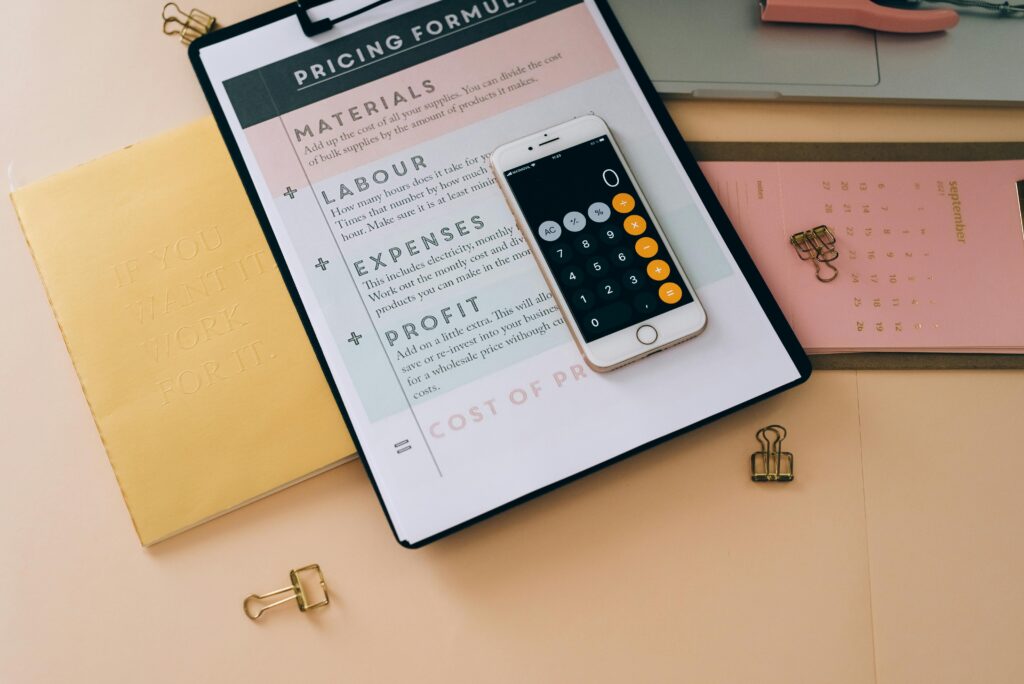
Setting the right prices is as important as the services themselves. Value-based pricing means pricing based on the value you give clients, not just time or cost. You need to understand your clients’ needs and what they value.
To use value-based pricing, know your clients’ pain points and how you solve them. This lets you charge prices that show the real value you offer.
Creating Service Packages and Upsell Opportunities
Service packages can boost your earnings and client happiness. Bundling services makes attractive offers that solve more problems for clients.
Look for upsell opportunities by adding extra services or premium versions. This raises your income and strengthens client bonds.
When and How to Adjust Your Rates
As your business grows, so should your prices. It’s important to periodically review and adjust your pricing. This keeps your rates competitive and shows the value you offer.
When you change prices, think about inflation, market trends, and your growing skills. Tell clients about rate changes in a way that keeps their trust and shows you’re open.
Marketing and Client Acquisition Strategy
In freelance design, a good client strategy is key. It can turn a business into a success or a struggle. This section will cover marketing and client strategies. We’ll talk about portfolios, content marketing, networking, and social media.
Building a Distinctive Portfolio and Online Presence
Your portfolio is your first impression. It’s vital for attracting clients. Choose your best projects to show your skills and variety.
Showcase a variety of projects to highlight your range.
Include case studies to provide context for your work.
Keep your portfolio up to date with your latest projects.
A professional online presence is also essential. Have a website that’s easy to use and search-friendly.
Content Marketing for Design Professionals
Content marketing helps you become an industry leader. It attracts clients and builds trust.
“Content marketing is a strategic marketing approach focused on creating and distributing valuable, relevant, and consistent content to attract and retain a clearly defined audience — and, ultimately, to drive profitable customer action.” — Content Marketing Institute
For designers, this means writing about trends, sharing tutorials, or insights into your work.
Networking and Referral Systems
Networking is essential for freelance designers. It opens up new opportunities and gets you referrals.
Networking Strategy
Benefits
Attend industry events
Meet clients, learn trends
Join online communities
Connect, share knowledge
Implement a referral program
Get referrals from happy clients
Social Media and Digital Marketing Tactics for Designers
Social media and digital marketing are great for designers. They help you reach new clients and promote your work. Use platforms like LinkedIn and Facebook for ads, and Instagram for engagement.
Focus on platforms where your audience is most active. Make sure your content speaks to them.
Financial Projections and Management
Managing your finances effectively is crucial to the success of a design business. As a freelancer, you must balance creativity with financial skills. This ensures your business thrives.
Startup Costs and Initial Investment for Design Businesses
Knowing your initial investment is vital for a successful design business. This includes:
Software and hardware expenses
Marketing and branding costs
Office space or coworking memberships
Professional insurance and legal fees
Accurate cost estimation helps you plan more effectively and avoid unexpected expenses.
Revenue Forecasting for Creative Services
Forecasting your revenue is key to planning your business’s financial future. To forecast accurately:
Analyze past data, if you have it
Look at industry benchmarks
Consider seasonal changes
Think about new services or offerings
This helps you set realistic goals and make smart business decisions.
Expense Management and Cash Flow Planning
Managing your expenses effectively is crucial for maintaining a healthy cash flow. This means:
Tracking your income and expenses often
Sorting expenses to find ways to save
Creating a budget that matches your goals
Planning for unexpected expenses or slow times
Effective expense and cash flow management keeps your business stable financially.
Profit Margins and Financial Goals
Setting the right profit margins is crucial for the success of your design business. Consider:
Industry standards
Your expertise level
The value you offer to clients
Your business expenses
Monthly Revenue Targets
Setting monthly revenue targets keeps you focused on your financial goals. Break down your yearly targets into smaller monthly goals. Regularly check your progress.
Quarterly and Annual Financial Reviews
Regular financial reviews are vital for checking your business’s performance and making changes. Schedule quarterly reviews to:
Compare actual results with forecasts
Find areas for improvement
Adjust strategies as needed
Annual reviews allow you to reflect on your performance and set new goals for the upcoming year.
By following these financial management tips, you can create a strong business plan guide for your design freelance business. A well-crafted freelance business plan is essential for achieving your financial goals and building a successful design business.
Operations and Project Management
As a design freelancer, having a solid plan for operations and project management is key. It involves several vital parts that work together. They help you deliver top-notch design services efficiently.
Client Onboarding and Design Project Workflows
Starting right with clients is essential. A straightforward onboarding process sets the stage for a good working relationship. It includes a detailed welcome packet, a clear project scope, and how to communicate.
For managing projects, using a project management tool is a good idea. It helps you track progress, work with clients, and meet deadlines.
Tools and Software for Efficient Design Business Management
The right tools and software can make your work much easier. You may use platforms like Asana or Trello to manage projects. Time tracking tools like Harvest and invoicing tools like QuickBooks can also be helpful.
The goal is to find tools that best fit your business and workflow.
Time Management and Productivity Systems for Creatives
Managing your time well is key to being productive. Techniques such as the Pomodoro Technique or time blocking can be helpful. Using apps like Focus@Will can also keep you focused.
Having a routine and avoiding distractions is also essential.
Quality Control and Client Feedback Processes
Ensuring your work is top-notch is vital. This means reviewing your work before sending it out and asking for client feedback. Making changes based on feedback improves your work and builds a strong client relationship.
By focusing on these areas, you can enhance your productivity, increase client satisfaction, and expand your design freelance business.
Legal Considerations and Risk Management
Understanding the legal aspects of your freelance design business is key to protecting your work and achieving success. As a designer, you’re not just making pretty pictures. You’re also building a business that needs a strong legal base.
Essential Contracts for Design Freelancers
Having the right contracts is vital for your freelance design business. These documents protect you, outline the work, and ensure you get paid. You should consider:
Client agreements that outline project scope, timelines, and payment terms
Non-disclosure agreements (NDAs) to protect client confidentiality
Scope of work documents that detail specific project requirements
Using a business plan template can help you organize your legal documents. It ensures you cover all necessary business aspects.
Intellectual Property Protection Strategies
Your intellectual property (IP) is your most valuable asset. Protecting it is key to staying competitive. Consider:
Registering your trademarks and copyrights
Using contracts that clearly define IP ownership
Limiting the use of your work through licensing agreements
Did you know? Registering your copyright can provide statutory damages in case of infringement. This offers stronger protection for your work.
Insurance Needs for Creative Professionals
Insurance acts as a safety net for your freelance design business. It protects you against unexpected events. Consider:
Professional liability insurance (also known as errors and omissions insurance)
Business insurance to protect against equipment loss or damage
Health insurance, if another plan does not cover you
Compliance and Regulatory Requirements
As a freelance designer, you must follow various regulations. This includes:
Business registration and licensing requirements
Tax laws and regulations, including self-employment tax
Data protection and privacy laws, such as GDPR, for international clients
Staying informed about these legal aspects helps you manage risks. It lets you focus on growing your freelance design business. By including these elements in your business plan, you’ll be well-prepared to navigate the legal landscape and achieve long-term success.
Growth and Scaling Strategies
Starting as a solo freelancer and growing into a design studio is a big journey. You’ll face new challenges and find new opportunities as you grow. It’s essential to adapt and evolve to succeed.
From Solo Freelancer to Design Studio
Turning from a solo freelancer to a design studio needs careful planning. You’ll need to think about:
Expanding your skills or hiring new talent
Building a strong team culture and management
Growing your client base and projects
Changing your workflow and project management
Key Considerations for Scaling
Area
Short-term Goals
Long-term Strategies
Team Building
Hire freelancers for project-based work
Establish a full-time team with diverse skills
Client Acquisition
Leverage existing network and referrals
Develop a robust marketing strategy and sales funnel
Operations
Implement project management tools
Develop standardized processes and training programs
Diversifying Revenue Streams Beyond Client Work
It’s important to diversify for long-term growth. Consider:
Creating online courses or workshops
Developing digital products like templates
Earning from licensing or royalties
Exploring affiliate marketing or partnerships
Strategic Partnerships and Creative Collaborations
Strategic partnerships can help you grow. Look for collaborations that:
Expand your services
Open up new markets
Boost your credibility and visibility
Offer co-branding or joint ventures
When and How to Hire Help or Outsource
Knowing when to hire more help is key to growth. Consider it when:
You have more work than you can handle
You need specialized skills
You want to focus on business development
You need to balance work and life
By using these strategies, you can turn your freelance design business into a thriving studio. It will be ready to face new challenges and opportunities in the design world.
Implementation Timeline and Action Steps
Now that you have a detailed business plan, it’s time to break it down into smaller tasks. This will help you set a realistic timeline. As a design freelancer, turning your plan into actionable steps is key to reaching your goals.
30-60-90 Day Action Plan for Design Businesses
A 30-60-90 day action plan helps you focus on immediate and long-term tasks. Here’s a suggested outline:
Days 1-30: Start by setting up your business. This includes choosing a business entity, opening a bank account, and creating a professional online presence.
Days 30-60: Next, work on your service offerings, pricing, and marketing plan. Start reaching out to clients and networking.
Days 60-90: Launch your marketing campaigns and start delivering services. Use feedback to refine your business operations.
Quarterly Business Review Process
Regularly reviewing your business is key to staying on track. Schedule quarterly reviews to check your progress, find areas for improvement, and adjust your strategies.
Quarter
Key Performance Indicators (KPIs)
Improve the client onboarding process, optimize project management tools
Q1
Revenue growth, client acquisition rate
Refine marketing strategy, expand service offerings
Plan for the next year, set new goals and objectives
Adapting Your Plan as Your Design Business Evolves
As your business grows, your plan should change to reflect new challenges and opportunities. Be ready to adapt your strategies and make adjustments as needed for continued success.
By following this structured approach, you’ll be well on your way to a thriving design freelance business.
Conclusion
You now know how to make a business plan for your design freelance business. This plan is not just a document. It’s a guide to reaching your business goals.
By following the steps in this article, you’ve learned to define your business, analyze the market, and set prices that show your value. You can also create a financial plan, manage operations effectively, and mitigate risks.
As a design freelancer, your creativity is key. A good business plan helps you utilize that creativity to generate income. Start making your plan today and move towards success.
You’re One Step Closer to Thriving as a Design Entrepreneur
We hope this article gave you practical tools and inspiration to move your creative business forward. Now, let’s turn those insights into action!
Join the conversation—share your biggest takeaway in the comments below. Your story could inspire the next designer ready to take the leap!
Stay connected and follow @TheDesignLemonade on LinkedIn | Instagram | Facebook Let’s make design entrepreneurship brighter, bolder, and more profitable—together.
What is the ultimate business plan template for design freelancers?
The ultimate business plan template for design freelancers is a detailed guide. It covers the key parts of a business plan for freelance designers. This includes market analysis, service offerings, financial projections, and marketing strategies.
Why do design freelancers need a business plan?
Design freelancers need a business plan to utilize their creative skills effectively. It helps them face the challenges of being an entrepreneur and make a profit.
What are the core sections that every freelance designer must include in their business plan?
Every freelance designer’s business plan should have several key sections. These include an executive summary, business identity and structure, market analysis, and service offerings. It also covers pricing strategy, marketing, financial projections, and operations.
How do I define my design business identity and structure?
To define your design business identity and structure, choose the right business structure for tax and legal benefits. Articulate your brand identity and design philosophy. Set short and long-term business goals.
What is the importance of market analysis for design freelancers?
Market analysis is vital for design freelancers. It helps them understand their niche, research trends, analyze competition, and define their ideal client. This leads to targeted marketing strategies.
How do I create a complete design service menu?
To create a complete design service menu, identify your services and define your pricing strategy. Develop service packages with upsell opportunities. Ensure that your services meet the needs of your target market.
What are the key elements of a successful marketing strategy for design freelancers?
A successful marketing strategy for design freelancers includes building a distinctive portfolio. It also involves leveraging content marketing, networking, and using social media and digital marketing. These tactics attract and retain clients.
How do I manage my finances as a design freelancer?
To manage your finances effectively, estimate startup costs and forecast revenue. Manage expenses, plan cash flow, and set profit margins and financial goals. Regularly review your financial performance to stay on track.
What are the essential contracts that design freelancers need?
Design freelancers need contracts that outline the scope of work, payment terms, and intellectual property rights. These contracts protect their business and ensure clear communication with clients.
How can I scale my design business?
To scale your design business, diversify revenue streams and form strategic partnerships. Hire help or outsource tasks. This allows your business to grow sustainably and achieve long-term success.
Prof. Julio C. Falú, MFA
Founder of TheDesignLemonade.com
Prof. Falú, is an accomplished designer, educator, and advocate for creative entrepreneurship. With over 15 years of experience in the graphics industry, he combines his expertise as a professor, award-winning designer, and mentor to empower the next generation of creative professionals.
As the Founder of TheDesignLemonade.com, Julio provides aspiring design entrepreneurs with the tools and knowledge needed to turn their passion into thriving businesses. His book, Design, Passion, and Profits — Design Entrepreneur Guidebook, offers a comprehensive roadmap for bridging artistry and business strategy.
Currently a tenured professor and Program Chair at Valencia College, Julio teaches courses in graphics and interactive design while mentoring students and guiding curriculum development. He also volunteers as a Business Mentor for SCORE, where he advises entrepreneurs on branding, marketing, and growth strategies.
Julio holds a Bachelor of Fine Arts in Graphic Arts from the University of Puerto Rico-Carolina and a Master of Fine Arts in Graphic Design from the University of Wisconsin-Madison. His work has earned national recognition, including multiple GD USA American Design Awards, and reflects his dedication to blending creativity with strategic impact.
Through education, mentorship, and innovation, Julio continues to inspire and guide creatives toward achieving their entrepreneurial dreams. Visit TheDesignLemonade.com to learn more.











No Comments