Did you know that over 70% of top digital creators now use automated income streams? This change is a huge chance for artists to move away from hourly wages.
By making money selling illustration designs online, you can reach people all over the world. You don’t need to worry about storing physical items. Digital marketplaces let you turn your art into a business that works all day, every day.
The key is to make passive income from designs. This means you can upload your work once and keep earning as people use it. Moving from a hobby to a business takes a new way of thinking. But the benefits are huge. You’re not just making art; you’re building something that makes money for you even when you’re not working.
Key Takeaways
Automated revenue streams allow creators to scale their income beyond hourly labor.
Digital marketplaces provide instant access to a global customer base.
Uploading your work once creates long-term, recurring royalty opportunities.
Shifting to an entrepreneurial mindset is essential for professional growth.
Building a portfolio of assets creates a business that functions 24/7.
Many talented illustrators struggle because they treat their work as one-time projects instead of long-term business assets.
Building sustainable income often requires:
a clear creative niche
strong positioning
scalable products
recurring revenue opportunities
systems designed for long-term growth
Download the FREE Design Business eBook and start building a stronger foundation for turning your creative skills into a profitable business.
Success in digital art needs a mix of creativity and market knowledge. You must match your unique style with what your audience wants. This way, your work will deeply connect with clients.
Identifying Profitable Illustration Markets
Start by finding niches that fit your skills. Look for areas with high demand but few artists, like custom stationery or unique editorial art. Identifying these gaps helps you place your work where it’s most wanted.
“The secret to success is to find a niche where your passion meets a genuine market need.”
Use tools like Google Trends to see what’s popular. Choosing a specific market makes you a go-to expert. This attracts clients who value your unique style.
Developing a Consistent Visual Identity
A consistent look makes your work easy to recognize. When clients see your portfolio, they should know your style right away. Consistency builds trust and sets you apart.
Keep your color palette simple and refine your lines. Think of your style as your brand’s signature. It should be the same everywhere, from your website to social media. Staying true to your vision means your audience knows what to expect.
Analyzing Competitor Trends in Digital Art
Studying your competition is about learning, not copying. See what successful artists in your niche are doing and what they might be missing. You can then offer something new and original.
Watch how competitors show their work and interact with fans. Learning from their wins and losses can improve your strategy. Strategic observation keeps you relevant while keeping your art true to yourself.
Preparing Your Digital Files for Commercial Use
Technical precision is key for digital artists aiming to sell art prints or license their work. Files must meet strict standards. Stock platforms check for legal compliance, technical quality, and commercial value.
Optimizing Resolution and File Formats
High-resolution files are essential for professional work. Always work at 300 DPI to keep images sharp at various sizes. Choose the right file format, such as JPEG for photos or PNG for designs that need transparency.
Check your file names and metadata carefully. Stock sites use these to categorize your work. Keeping these technical habits sharp makes your portfolio stand out globally.
Creating Scalable Vector Graphics
Vector files are great because they can be resized without losing quality. Adobe Illustrator is perfect for creating these files. They’re ideal for logos, icons, and complex designs.
Providing scalable assets boosts the value of your work. Vector formats like EPS or SVG show your expertise. Clients love the flexibility, leading to more business and higher fees.
Managing Color Profiles for Print and Web
Knowing the difference between color spaces is critical. Design in RGB for screens and convert to CMYK for prints. This prevents color shifts during printing.
Embed the right color profile, like sRGB or Adobe RGB, to ensure colors look right on different screens. Consistency is the hallmark of a professional. Managing color profiles shows you care about the final product.
Choosing the Right Platforms to Make Money Selling Illustration Designs Online
Finding the right place for your artwork is key to making money selling illustration designs online. With many options, it’s easy to feel lost. Knowing each platform’s strengths helps match your goals with the right audience.
Evaluating Print-on-Demand Marketplaces
Print-on-demand (POD) services are great for artists who love creating without worrying about logistics. They handle printing, shipping, and customer service. You earn royalties on each sale.
Pros and Cons of Redbubble and Society6
Redbubble and Society6 are top choices for reaching many people with your designs. The big plus is you don’t have to deal with inventory.
Pros: Global exposure, no upfront costs, and lots of product types.
Cons: Lots of competition and lower per-item profit than direct sales.
Leveraging Etsy for Digital Downloads
Etsy is great for selling digital files like planners and wall art. It lets you build a brand and keep more of your earnings from digital art sales.
Platform
Best For
Control
Redbubble
Physical Goods
Low
Etsy
Digital Files
High
Utilizing Specialized Graphic Design Marketplaces
For assets made for other designers, a graphic design marketplace is best. These sites draw in professional buyers seeking top-notch resources.
Selling Assets on Creative Market and Adobe Stock
Creative Market is ideal for selling fonts and templates to creatives. Adobe Stock offers your work to professionals, boosting visibility.
Adobe Stock requires you to be at least 18 and show a valid ID to start. Once verified, it’s a solid way to earn from your work.
Selling illustration designs can become much more scalable when you think beyond individual products. In How to Start a Design Asset Marketplace Business Successfully, we explore how designers transform creative assets into larger marketplaces that support long-term growth and recurring revenue opportunities.
Building a Professional Portfolio Website
Your portfolio website is like the digital home of your creative business. It’s where you fully control your brand. This means you’re not limited by social media’s rules. You have a permanent place to show your art.
Selecting the Best Website Builders for Artists
Choosing the right platform is key to launching an online art store. Many sites offer tools that don’t need coding. This lets you focus on your art.
Squarespace: Known for its stunning, design-forward templates that make visual art pop.
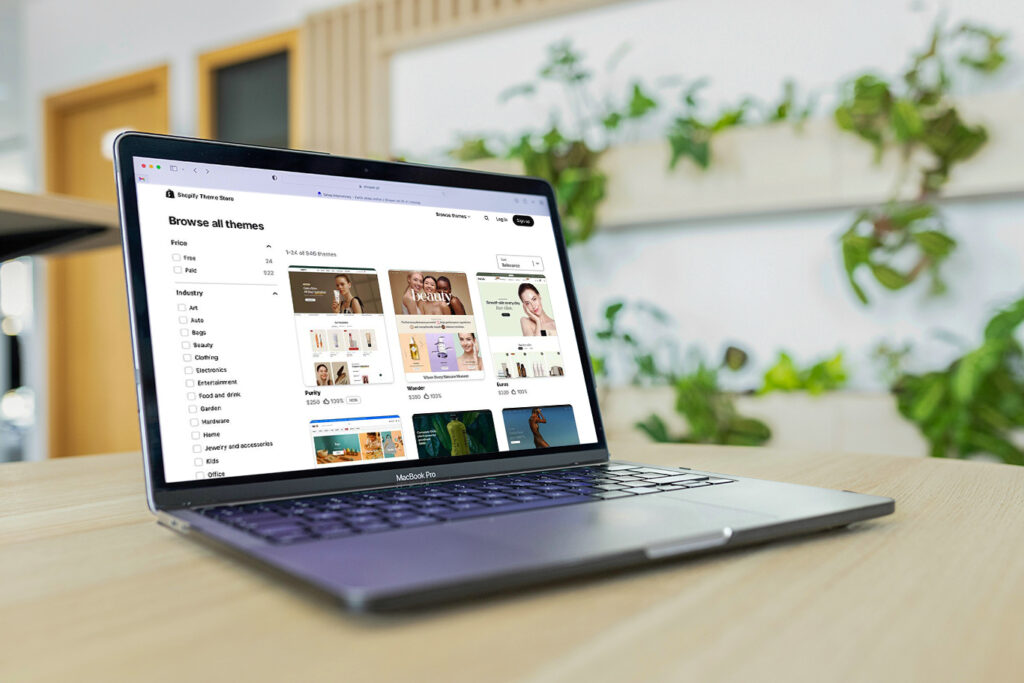
Shopify: The industry standard if you prioritize robust e-commerce features and inventory management.
Wix: Offers incredible flexibility for those who want total control over their site layout and design elements.
Showcasing Your Best Work Effectively
Your website should be like a curated gallery, not a messy archive. Quality always beats quantity when attracting clients or collectors.
Organize your projects into clear categories. This makes it easy for visitors to see your expertise. Use high-quality images and explain the inspiration and techniques behind each piece.
Implementing Secure Payment Gateways
Trust is key for any digital business. When you sell art prints or digital downloads, you need to keep your customers’ data safe.
Use reliable payment gateways like Stripe or PayPal. They make the checkout process smooth. These services keep your customers’ data safe, which helps your reputation and encourages more business.
Make sure your site has an active SSL certificate. This encrypts data transfers. By focusing on security, you create a professional space where customers can confidently sell art prints through your online art store.
Mastering the Art of Licensing Your Illustrations
Want to grow your creative business? Learning about art licensing is key. It lets companies use your art in specific ways. This creates a flexible income model that continues to work for you even after the initial design is complete.
Understanding Basic Licensing Agreements
Understanding design law can seem tough, but it’s vital for your growth. You’ll mainly deal with two types of agreements: royalty-free and rights-managed.
Royalty-free: This model lets clients pay once to use your image many times without ongoing royalties. It’s great for stock sites and small projects.
Rights-managed: This is more exclusive. Clients pay for specific rights, like where and when they can use your work. This usually means you get paid more.
Finding Art Licensing Opportunities
To increase your earnings, look for partnerships that fit your style. Start by finding companies that often work with independent artists for things like stationery and home decor.
Networking is essential for finding art licensing opportunities. Go to design shows, join design groups, and be active on LinkedIn. This helps you connect with art directors who need new talent.
Being consistent is important. Keep your portfolio fresh with high-quality, commercial designs. This makes it easier for brands to find and contact you for collaborations.
Protecting Your Intellectual Property and Copyright
As a freelance illustrator, your work is your most valuable asset. Make sure your contracts clearly state how your art can be used. This prevents others from using it without permission.
Always read the fine print on contracts about copyright. You should usually keep the copyright while letting the client use your work for a specific purpose.
If a contract makes you unsure, get legal advice. Protecting your intellectual property is critical for your career’s long-term success as a freelance illustrator.
Marketing Your Illustration Business Through Social Media
Mastering social media can turn followers into loyal clients. Your online presence is like a dynamic portfolio that’s always open. By sharing your creative journey, you let people connect with the artist behind the art.
Developing a Content Strategy for Instagram and Pinterest
A good strategy mixes your best work with behind-the-scenes glimpses. Instagram is great for showing off your work and short videos of your process. This builds trust and shows the effort you put into your art.
Pinterest is different, acting as a visual search engine that brings traffic to your site. Organize your art into themed boards to help users find your work. Consistency is key; regular posts keep your brand fresh in people’s minds.
Engaging with Art Communities and Clients
Social media is for meaningful conversation, not just broadcasting. Join art challenges and comment on others’ work to build a network. These interactions can lead to collaborations or referrals.
When clients reach out, be professional and friendly. Building real relationships turns followers into loyal customers. Always focus on authentic engagement over just getting more followers.
Using Influencer Collaborations to Boost Visibility
Working with influencers can expand your reach. Offer custom art for giveaways or create limited-edition products. These partnerships provide social proof and introduce your brand to new audiences.
Choose influencers whose values match yours for a natural partnership. A successful collaboration can greatly increase your visibility and drive traffic to your portfolio. Here’s how different platforms can help your business.
Platform
Primary Strength
Best Content Type
Audience Goal
Instagram
Community Building
Reels & Carousel Posts
Brand Loyalty
Pinterest
Traffic Generation
High-Res Pins
Website Visits
LinkedIn
Professional Networking
Case Studies
B2B Partnerships
Scaling Your Income with Passive Revenue Streams
You can turn your love for art into a steady income source. By moving beyond one-time sales, you build a business that keeps earning. Your passive income from designs will grow over time.
Creating Digital Products and Templates
Creating collections of illustrations is a great way to grow. People often look for themed sets for scrapbooking or social media. Focusing on bundles makes your work more valuable and encourages bigger sales.
Make templates for Canva or Adobe Express. This lets other creators use your designs, earning you royalties. Adding these digital assets to art licensing opportunities helps spread your income and keeps your business stable.
Developing Online Courses for Aspiring Illustrators
As you get better, your skills become something others want to learn. Teaching online courses makes you an expert and brings in more money. You can share your skills in character design or digital painting.
Make your courses solve real problems for your students. Whether it’s a short workshop or a full masterclass, aim to give real value. This not only earns you money but also builds a loyal community.
Automating Sales Through Email Marketing
Automation is key to growing your business without losing time. Set up an email sequence to welcome new subscribers and show them your work. This keeps your audience engaged even when you’re busy.
Welcome sequences: Introduce new subscribers to your best work immediately.
Product launches: Use automated triggers to announce new digital sets or course openings.
Customer retention: Send exclusive discounts to repeat buyers to encourage loyalty.
By using these automated workflows, you make your clients’ experience smooth. This lets you focus on creating art while your business grows in the background.
Passive income opportunities become even stronger when illustration work evolves beyond direct sales into long-term licensing systems. In Making Passive Income From Licensing Your Designs, we explore how designers turn existing artwork into assets that continue generating value over time.
Sustainable creative income rarely comes from relying on one revenue source.
Take 15 minutes this week to evaluate:
which illustrations could be repurposed into additional products
where your strongest audience demand currently exists
whether your current income depends too heavily on client work
which passive revenue opportunities align with your style and goals
The strongest creative businesses are built through systems and assets—not isolated projects.
Managing Client Relationships as a Freelance Illustrator
Being professional is key to turning one-time buyers into loyal fans of your online art store. Treating every interaction with care helps build a strong reputation. This attracts high-quality projects. As a freelance illustrator, clear communication is as important as your drawing skills.
Setting Competitive Pricing and Packages
Setting prices can seem tough, but it’s easier when you focus on the value you offer. Instead of hourly rates, think about tiered service packages. These packages clearly show what clients get.
Basic Package: Includes a single illustration with limited usage rights.
Standard Package: Offers multiple file formats and extended commercial licensing.
Premium Package: Provides full source files, priority support, and exclusive rights.
Drafting Professional Contracts and Invoices
Always have a written agreement before starting a project. A good contract protects your work and makes sure everyone knows what’s expected. It covers the scope of work, deadlines, and payment plans.
Your invoices should be clear and professional. Use accounting software to make billing easier. This helps keep your cash flow steady and reduces stress from chasing late payments.
Handling Revisions and Client Feedback
Feedback is a normal part of the creative process. But it’s important to handle it well. Always set clear limits on revisions in your initial quote to avoid extra work.
When you get feedback, see it as a chance to improve. Stay calm and focused on solutions. This way, every project helps you grow and improve your brand.
Overcoming Common Challenges in the Digital Art Market
Starting a career in the creative arts is rewarding but comes with challenges. The freedom of being your own boss is great, but you’ll face ups and downs. Persistence is key to success.
Dealing with Creative Burnout
Creative burnout happens when you feel overwhelmed. It makes every project feel like a burden. Prioritize rest to avoid this.
Set clear work hours and make time for hobbies. Taking breaks helps your mind refresh and come up with new ideas. Your worth as an artist isn’t just about how much you work.
Navigating Market Saturation
Entering a crowded graphic design marketplace can be daunting. But it means there’s a high demand for your work. The trick is to find what makes you unique.
Focus on a niche where your style can really shine. Being an expert in a specific area makes you stand out. Look for gaps in the market to find your edge.
Staying Consistent During Slow Sales Periods
Even top artists face slow sales. These times don’t reflect your talent; they’re part of the business cycle. Use them to grow and improve.
Update your portfolio, try new things, and engage with your audience. Staying active keeps you visible when sales pick up. Consistency is key to success in the digital world.
Challenge
Primary Strategy
Expected Outcome
Creative Burnout
Scheduled Downtime
Renewed Inspiration
Market Saturation
Niche Specialization
Higher Brand Authority
Slow Sales
Portfolio Expansion
Increased Future Visibility
Illustration businesses grow more sustainably when revenue does not depend on a single product type. In The Best Digital Products Designers Can Sell for Profit, we explore scalable digital product opportunities to help designers build stronger long-term income streams.
Conclusion
Building a thriving illustration business is a rewarding journey. It combines your artistic vision with strategic planning. You have the tools to turn your unique creative voice into a steady income.
Adobe Creative Cloud is a solid foundation for your work. Marketplaces like Creative Market or Etsy help you reach global buyers. Be patient as you learn about licensing and managing clients.
Start by focusing on one niche before expanding. Stay persistent through challenges, as consistency is key to growth. Your dedication will open new doors in the digital art world. Take that first step today and watch your passion grow into a rewarding career.
Building a successful illustration business is not simply about creating more artwork.
It is about building:
stronger business systems
scalable income opportunities
recurring revenue streams
strategic visibility
a foundation designed for long-term growth
The creators who build sustainable businesses understand that every illustration can become more than a project—it can become a long-term asset.
If you are ready to strengthen your creative business strategy and create more sustainable income opportunities, continue your learning journey inside The DesignLemonade ecosystem.
How can I realistically begin to make money selling illustration designs online?
Start by seeing yourself as a professional, not just a hobbyist. Use a graphic design marketplace or open your own online art store to reach a global audience. By creating high-quality designs once, you can earn passive income as they sell over and over.
What are the best ways to identify a profitable niche for digital art sales?
To find success, study what’s popular on sites like Creative Market or Adobe Stock. Look for areas where your style meets demand. A consistent look helps you stand out, making it easier for customers to find and trust you.
What technical standards must my files meet to be accepted by major platforms?
Being professional means your files are top-notch. Make sure they’re at least 300 DPI and in formats like AI, EPS, or TIFF. Using scalable vector graphics ensures your art looks great at any size, from small icons to large prints.
Which platforms are most effective for reaching my target audience?
For easy sales, try print-on-demand sites like Redbubble and Society6. They handle everything. For more control, Etsy is great for digital downloads. For lots of commercial assets, Envato Elements offers big exposure.
Why is a professional portfolio website necessary if I already use marketplaces?
Your own site, on platforms like Shopify or Squarespace, is your main hub. It lets you show off your best work without distractions. With secure payment options like Stripe or PayPal, you can run your own online art store and keep more of your earnings.
What is the difference between royalty-free and rights-managed licensing?
Royalty-free means you pay once and the buyer can use your work many times. Rights-managed licensing limits use to a specific project or area. Knowing this helps protect your work and ensures fair pay.
How can I use social media to grow my illustration business?
Use platforms like Instagram and Pinterest for your art. Share your process, not just the final product. Join art communities and work with influencers to get more eyes on your work.
How do I scale my creative business into a sustainable long-term model?
To grow, diversify your income. Sell digital products like Procreate brushes or Adobe Illustrator templates. Share your knowledge with online courses on Skillshare. Use tools like Mailchimp to keep earning even when you’re not working.
How should I handle pricing and contracts as a freelance illustrator?
Set prices by researching what others charge on LinkedIn or design groups. Always have clear contracts that outline what you’ll do, how many changes you’ll make, and when you’ll get paid. Tools like Bonsai or HoneyBook help manage clients and payments.
How do I stay consistent and motivated during slow sales periods?
Slow times are normal. Use them to improve your portfolio, learn new skills in Adobe Creative Cloud, or find new art licensing opportunities. Stay true to your style while being open to new trends. Consistency is key to success.
Julio Cesar Falu is a graphic design educator, entrepreneur, and founder of TheDesignLemonade.com, a platform dedicated to helping creatives build profitable design businesses. With over 20 years of experience in design education, business strategy, and creative entrepreneurship, he shares practical insights on freelancing, branding, digital products, income growth, and long-term business development. His mission is to help designers move beyond creating and start building sustainable businesses and ownership-driven careers.










No Comments