To succeed in a freelance design business, you need more than just talent. As a solo entrepreneur, managing your time well, marketing your services, and delivering top-notch work are key.
For sustainable growth, being strategic is essential. This means focusing on the most important tasks, establishing efficient systems, and continually improving what you do.
With the right strategies and tools, you can increase productivity, get more clients, and make more money. This guide will show you how to grow your freelance design business on your own.
Key Takeaways
Effective time management is key for solo entrepreneurs.
Marketing your services is vital to attract new clients.
Focus on high-leverage activities to grow your business.
Setting up efficient systems boosts productivity.
Continually improving your skills is essential to producing quality work.
Growing your freelance business doesn’t always require hiring employees.
The most successful solo designers build businesses through smarter systems, better positioning, and efficient operations that allow them to serve more clients without sacrificing quality.
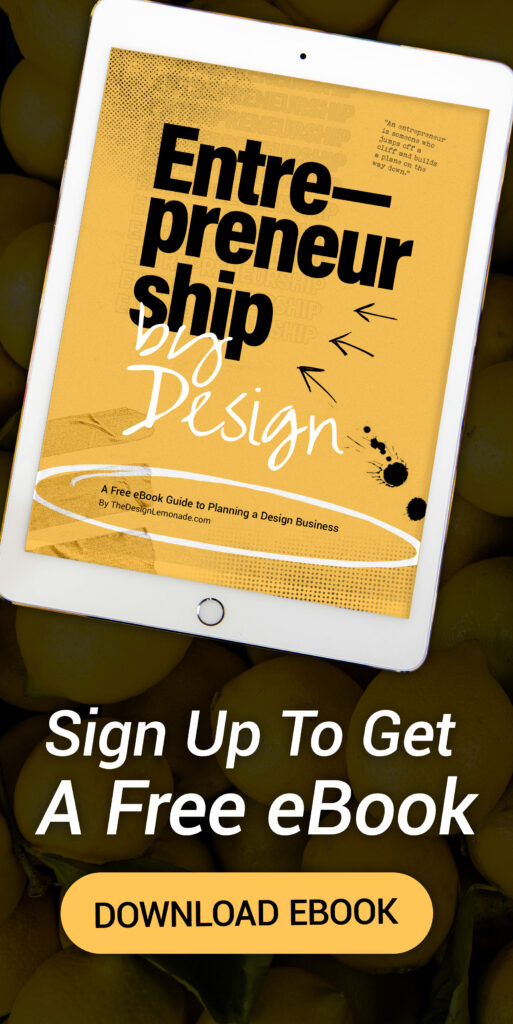
Inside our FREE Design Business eBook, you’ll learn how to build:
scalable business systems
profitable service offers
stronger client acquisition strategies
better operational workflows
a sustainable freelance business built for long-term growth
You don’t need a bigger team to build a bigger business.
To grow a freelance design business alone, you need a solid plan and smart choices. As a solo designer, you handle everything from creative work to admin tasks. This is tough without a team to help.
Why Many Freelancers Struggle to Scale
Many freelancers find it hard to grow their business because of limited resources and poor planning. Without a clear strategy, solo designers can get swamped by client work, marketing, and growing the business. Effective time management and prioritization are key to beating these hurdles and growing.
The Benefits of Staying Solo
Working solo has its perks, such as working independently and making quick decisions. Solo designers can keep control over their projects and client relationships. This lets them offer a more personal and flexible service. By using these benefits, solo designers can build a successful and lasting business.
Assessing Your Current Business Model
Scaling your freelance design business starts with assessing your current model. Look closely at your practices and find areas for improvement.
Identifying Your Strengths and Bottlenecks
Evaluate your strengths as a freelance designer. What services do clients love most? Also, find out what slows you down. Is it a manual process, a lack of resources, or poor time management? Knowing your strengths and weaknesses helps you focus your efforts.
Setting Realistic Growth Goals
After identifying your strengths and bottlenecks, set realistic growth goals. Decide what you want to achieve within a specific timeframe.
Financial Goals vs. Lifestyle Goals
Think about your financial and lifestyle goals. Do you aim to earn more or have more free time? It’s important to balance these goals for sustainable growth.
Creating Measurable Milestones
Break down your goals into smaller, measurable milestones. This makes it easier to track your progress and stay motivated.
Goal Type
Short-Term Milestones
Long-Term Targets
Financial
Increase revenue by 10% in 3 months
Double revenue in 1 year
Lifestyle
Reduce work hours by 5 hours/week in 2 months
Achieve a 4-day workweek in 6 months
By assessing your business model, identifying your strengths and bottlenecks, and setting realistic goals, you can grow your freelance design business alone. You’ll also increase your productivity as a freelancer.
How to Scale Your Freelance Design Business Without Hiring a Team
To grow your freelance design business, think like a business owner. Focus on being efficient, specialized, and clear about your value.
The Mindset Shift: From Freelancer to Business Owner
As a freelancer, you trade time for money. But to grow, you must see yourself as a business owner. This means using systems and strategies that make money without using your time directly.
You need to start thinking like a business owner, not just a freelancer. This change is key to building a business that can grow.
Scaling your freelance business begins with thinking beyond simply completing projects. Continue reading Grow From a Solo Designer Into a Design Studio Business to learn how successful designers build scalable businesses through better systems, positioning, and operational strategies.
Creating a Sustainable Growth Strategy
For your freelance design business to grow, you need a solid growth plan. This plan should highlight your unique value and focus on a specific area.
Identifying Your Unique Value Proposition
Your unique value proposition (UVP) is what makes you different from other designers. It’s the special benefit you offer to clients. To identify your UVP, understand your strengths, your clients’ needs, and your competitors.
Developing a Specialization
Specializing in a niche or industry can help you stand out and attract better clients. By focusing on one area, you learn more about it and can offer custom solutions.
Specialization
Benefits
Industry-specific design
Deeper understanding of industry needs, higher client satisfaction
Niche design services
Increased visibility, ability to charge premium rates
Streamlining Your Design Process
Streamlining your design process is key to being more productive and delivering top-notch work. By improving your workflow, you can handle more projects, feel less stressed, and make clients happier.
Creating Templates and Design Systems
Creating templates and design systems is a big step in making your design process smoother. Templates save time by giving you a ready-made structure for common projects. Design systems keep your work looking consistent. “A design system is like a blueprint for your designs,” says the Design Systems Handbook. “It lets you work more efficiently and keep a consistent look.” These tools help you cut down on time spent on the same tasks and focus on creative decisions.
Standardizing Your Workflow
Standardizing your workflow means having a set process for every project. This includes clear expectations with clients, a standard brief form, and a consistent review process. By doing this, you can reduce errors and improve your ability to communicate with clients. For example, using a project management tool helps you stay on track with deadlines and tasks.
Time-Tracking and Productivity Optimization
Effective time tracking is key to understanding how you spend your time and identifying ways to improve. Tools like Toggl or Harvest help you track time on tasks and projects. This gives you insights into your productivity. By analyzing this data, you can improve your workflow and use your time more effectively.
“You can’t manage what you don’t measure”
By using these strategies, you can really boost your productivity and grow your freelance design business alone. Making your design process more efficient means you can do great work faster. This leads to happier clients and more repeat business.
Creating efficient workflows allows you to increase your capacity without increasing your workload. Learn additional productivity systems in Boost Productivity as a Freelance Designer to improve your daily operations and maximize your creative output.
Leveraging Technology and Automation
To grow your freelance design business without hiring a team, the right technologies are essential. Use design tools, automation software, and AI to make your work easier. This way, you can do more important tasks and spend less time on routine work.
Essential Design Tools for Efficiency
Choosing the right design tools can boost your productivity. Adobe Creative Cloud is popular, but looking at other options can also help.
Adobe Creative Cloud Alternatives
For UI/UX design, think about Sketch or Figma. They have great features and make working together easier.
Prototyping and Collaboration Tools
InVision and ProtoPie are great for making prototypes and working together. They help you create interactive designs and get feedback quickly.
Automation Tools for Administrative Tasks
Automation can save a lot of time on routine tasks. The right tools help you run your business better.
Client Management Software
Use software such as Dubber or HubSpot to manage clients. It helps keep track of talks, projects, and more.
Invoicing and Payment Systems
Make invoicing and payments easier with QuickBooks or Wave. They handle invoices, payments, and money management all in one place.
AI Tools for Design Assistance
AI tools help with design, from ideas to routine tasks. Adobe Sensei and UIZARD are changing design by providing smart help.
By using these technologies, you can work better, make your workflow smoother, and grow your freelance design business.
Technology becomes a growth multiplier when combined with strong business systems.
Take 15 minutes this week to evaluate:
which repetitive tasks you can automate
where templates could save time
which client process can become standardized
what activity produces the highest return on your time
The most successful solo designers build businesses that work efficiently—even without employees.
Strategic Pricing to Increase Revenue
Pricing your services appropriately is key to increasing revenue as a solo entrepreneur. The right pricing strategies can attract high-paying clients. They also help keep your freelance design business running smoothly.
Value-Based Pricing Strategies
Value-based pricing sets your prices based on the value you bring to clients. This method helps you demonstrate the true value of your services. It’s not just about how much time you spend or what others charge.
Key Benefits:
Increased revenue
Aligns better with client goals
Shows the true value of your services
Creating Service Packages
Service packages meet different client needs and tastes. They make your services more appealing and easier to get. Bundling services also boosts the average project value.
Consider these when making packages:
Find core services to bundle
Set pricing tiers based on service levels
Clearly list what each package includes
When and How to Raise Your Rates
Knowing when and how to raise your rates is vital for growth. It boosts your income and helps weed out clients who don’t value quality.
“The way to get started is to quit talking and begin doing.” – Walt Disney
Communicating Price Increases to Existing Clients
When you raise rates for current clients, explain the value they’ve gotten. Also, tell them about the future benefits they’ll get from your services.
Steps to follow:
Notify clients before the change
Share why you’re raising prices
Emphasize the ongoing and improved value you offer
Positioning Higher Rates with New Clients
For new clients, show your expertise, quality work, and results. This helps justify your higher rates.
Tips for positioning higher rates:
Build a strong portfolio
Use testimonials from past clients
Clearly state your unique selling proposition (USP)
Scaling isn’t only about serving more clients—it’s about serving better clients. Read Find Design Clients Willing to Pay What You’re Worth to discover how positioning, pricing, and client selection work together to increase profitability.
Client Management Systems for Growth
As a solo designer, a good client management system can change your game. It’s key to growing your freelance design business and keeping clients for the long haul. By improving your client management, you’ll make clients happier, keep them longer, and earn more repeat business.
Qualifying and Onboarding Clients Efficiently
Getting clients on board right is key to a project’s success. It means having a clear way to check if a client is right for you and making sure they’re set up smoothly.
Creating a Client Screening Process
Having a client screening process helps you find the best clients and weed out the wrong ones. You’ll assess their project needs, budget, and communication style.
Developing Client Welcome Kits
A client welcome kit is a great tool for explaining how you work, what you expect, and when deliverables are due. It helps clients know what to expect and keeps things clear.
Building Long-Term Client Relationships
Keeping clients for the long term is essential for your freelance business. This means delivering top-notch service, communicating effectively, and finding opportunities to sell more or different products.
Upselling and Cross-Selling Strategies
Looking for opportunities to sell more or different products can significantly increase your income. This could be by selling premium or extra services that add value to what you already do.
Creating Retainer Arrangements
Retainer agreements provide a steady income and help retain clients. With retainer services, you receive a steady stream of work and income.
Marketing Strategies for Solo Designers
To grow your solo design business, you need a solid marketing plan. It should reach the right people. As a solo designer, you must market effectively to attract new clients and grow your business.
Building a Strong Personal Brand
Your personal brand makes you unique. Develop a consistent visual identity and voice across all marketing. This builds recognition and trust with clients.
Content Marketing for Designers
Creating valuable content is key to attracting clients. Use content marketing to show your expertise and credibility.
Case Studies That Convert
Share success stories and case studies to show your skills. This helps clients see how you can help them reach their goals.
Educational Content Creation
Create informative blog posts, videos, or podcasts on design principles and trends. This makes you a leader in your field.
Leveraging Social Media Without Overwhelm
Social media is powerful for solo designers. Focus on platforms where your target audience is most active. Share your content often to grow your online presence.
By using these marketing strategies, you can grow your solo design business. You’ll attract new clients and expand your reach.
Strategic Outsourcing Without Building a Team
You can grow your freelance design business without hiring employees. This is done by using strategic outsourcing. It lets you access specialized skills and resources without the long-term commitment of hiring new staff.
When to Use Contractors vs. Services
Knowing when to use contractors versus services is key to good outsourcing. Contractors are great for specific, often short-term projects. These projects may require skills such as illustration or animation.
Finding Reliable Freelance Partners
To find trustworthy freelance partners, consider platforms such as Upwork or Freelancer. Here, you can check out contractors’ portfolios and read client reviews.
White-Label Services for Designers
White-label services are a fast way to outsource tasks like illustration or web development. Companies like 99designs offer scalable solutions. These can be passed off as your own work.
Managing External Resources Effectively
Effective management of external resources is essential to successful outsourcing. This means:
Clearly defining project scopes and expectations
Setting up regular check-ins for updates
Using tools like Trello or Asana to track tasks
By using these strategies, you can boost your freelancer business development. You’ll also see increasing productivity as a freelancer.
Maintaining Work-Life Balance While Scaling
Scaling a freelance design business is a delicate balance. It’s key to keep your personal well-being in check. This balance is vital to avoid burnout and ensure long-term success.
Setting Boundaries with Clients
Setting clear boundaries with clients is essential. Define your working hours, response times, and project scope. This helps manage client expectations and prevents overcommitting.
Establishing a clear communication channel from the start is important. It keeps your personal life separate from work.
Preventing Burnout Through Systems
Creating efficient systems is vital to avoid burnout. This means having a sustainable work schedule and taking strategic breaks to recharge.
Creating a Sustainable Work Schedule
A well-planned schedule keeps you organized and focused. Prioritize tasks, plan breaks, and leave buffer time for unexpected tasks. Flexibility is key to adapting to client needs while keeping well.
Taking Strategic Breaks for Creativity
Regular breaks boost creativity and productivity. Schedule time for inspiring activities, such as reading design blogs or trying new tools.
Breaks help you return to work with a fresh perspective, benefiting your business.
Conclusion: Building a Sustainable Solo Design Business
As a solo designer, you can grow a successful business without a team. This guide shows you how to boost productivity and find more clients. You can also grow your freelance design business by improving your design process and using technology.
Remember to stay flexible and always check your business methods. Use solo entrepreneur design tips to stay ahead. With the right approach, you can grow your freelance design business without needing a team.
Follow these tips and keep working towards your goals. You’ll be on the path to success in your solo design business.
Building a successful freelance business isn’t about working longer hours.
It’s about creating systems that allow your business to grow without depending entirely on your time.
Successful solo design entrepreneurs focus on:
creating scalable workflows
attracting higher-value clients
improving operational efficiency
pricing confidently
building sustainable long-term growth
When your business is supported by the right systems, you create more freedom, more profitability, and more opportunities—without needing to build a large team.
How can I scale my freelance design business without hiring a team?
To grow your freelance design business on your own, focus on a solid growth plan. Know your unique strengths and specialize in a niche. Use technology to streamline your work and set prices that boost your earnings.
What are the benefits of being a solo designer?
Working as a solo designer allows you to work independently and make quick decisions. You keep full control over your business. Plus, you dodge the costs and hassle of managing a team.
How do I assess my current business model and identify areas for improvement?
To check your business model, look at your strengths and weaknesses. Set achievable goals and track your progress. Find the bottlenecks in your work and ways to work smarter.
What is the importance of having a business owner’s mindset as a freelancer?
Thinking like a business owner is key for freelancers. It helps you plan strategically, make smart choices, and grow your business. It means having a clear growth plan, knowing your unique value, and focusing on a specific area.
How can I streamline my design process to increase productivity?
To make your design work more efficient, use templates and standardize your process. Track your time effectively and use design tools and automation to reduce busywork. This lets you focus on the most important tasks.
What are some effective marketing strategies for solo designers?
Good marketing for solo designers includes building a strong brand and creating valuable content. Use social media to show your skills and connect with clients. Drive traffic to your site to attract more work.
How can I maintain a work-life balance while scaling my business?
To keep a balance, set clear boundaries with clients and plan your work hours. Take breaks and prioritize self-care. Use systems to support your well-being and avoid burnout.
When should I consider outsourcing tasks or projects?
Outsource when you’re too busy or lack the skills for a task. It’s also good for quick growth. Use contractors or services to manage external help well.
How can I price my services strategically to increase revenue?
To price right, use value-based pricing and offer packages. Raise your rates when you can. Show clients the value you bring and explain your pricing clearly to attract better clients.
Julio Cesar Falu is a graphic design educator, entrepreneur, and founder of TheDesignLemonade.com, a platform dedicated to helping creatives build profitable design businesses. With over 20 years of experience in design education, business strategy, and creative entrepreneurship, he shares practical insights on freelancing, branding, digital products, income growth, and long-term business development. His mission is to help designers move beyond creating and start building sustainable businesses and ownership-driven careers.











No Comments